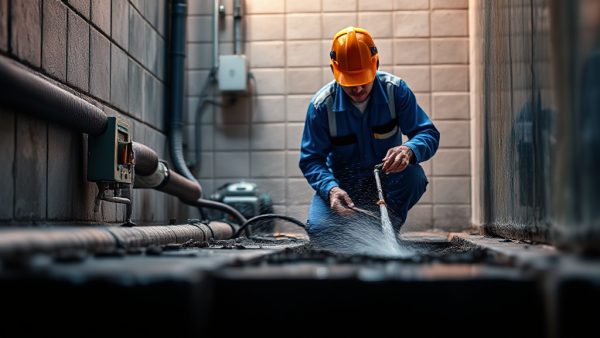
How a Desentupidora Vila Buarque Callout Takes Two Hours From First Ring to Clear Drain
Before you dial anyone, have three things ready: the exact address with any access notes for the building, a short description of where the water backs up, and someone on site who can open the door. That is the whole preparation. Everything else is the crew’s job, and a well-run desentupidora Vila Buarque team will walk you through the rest on the phone. The typical callout in this central São Paulo neighborhood runs about two hours from the first ring to a drain that flows again, though a main-line blockage or a night-time access problem can stretch it.
I have run this routine many times, and the difference between a smooth job and a messy one almost never comes down to the equipment. It comes down to what the caller can tell us in the first two minutes. Here is how the process actually unfolds, step by step, so you know what to expect and where you can speed things up.
Step 1: The Phone Triage That Sets the Clock
The first call is not just a booking. It is a triage. The dispatcher needs to know whether you are dealing with a slow sink, a backed-up toilet, a flooded garage, or a smell coming from a floor drain. Each of those points to a different tool and a different arrival kit.
Expect questions like: Is the water rising right now? Have you used any chemical drain cleaner? Is this a house, an apartment, or a commercial kitchen? Is there a basement or a lower-level unit affected? Those answers decide whether the crew rolls out with a plunger and hand auger, a motorized snake, or a hydro-jetting truck.
This is also when you should mention access. In Vila Buarque, a lot of buildings sit on narrow streets with limited parking, and some older edifícios have their internal plumbing accessed through a service corridor rather than the main entrance. If the technician has to park two blocks away and carry a 40-meter cable, that is twenty minutes you can save by saying so upfront.
Tell the dispatcher about chemical cleaners you have already poured. That single detail changes the safety gear and the approach, and skipping it is the most common way a two-hour job becomes a three-hour one.
Step 2: Arrival, Inspection, and the Decision Point
When the crew arrives, they do not start snaking immediately. The first ten to fifteen minutes go into inspection. They will look at the affected fixtures, check the cleanout caps, and often run a small camera down the line to see what is actually blocking it.
This matters because the same symptom can come from three very different causes: grease and soap buildup in a kitchen line, roots or collapsed pipe in an older lateral, or a blocked main stack serving the whole building. A desentupidora Vila Buarque São Paulo SP crew that skips this step and goes straight to the snake will often clear the symptom and leave the cause behind.
What the inspection usually finds
In residential buildings around the neighborhood, the split is fairly predictable. Kitchen lines clog with fat and food residue. Bathroom lines clog with hair, soap, and sometimes wipes that should never have gone down. Floor drains in older buildings clog with sediment and roots that have found a crack in the pipe.
Commercial kitchens are a category of their own. A restaurant line that is cleaned only when it backs up will back up again within months, because the grease layer regrows from the pipe wall inward. That is why a proper job on a commercial line usually includes a follow-up recommendation for scheduled hydro-jetting rather than a one-time snake.
Once the inspection is done, the technician should tell you what they found and which method they are going to use before they start. If that conversation does not happen, ask for it. It is your right as the person paying the bill, and it prevents the awkward moment where the method changes and the price changes with it.
Step 3: Clearing the Line, Method by Method
The clearing step is where the actual work happens, and the method chosen should match the blockage, not the technician’s favorite tool. Here is how the main options compare in practice.
| Method | Best for | Typical time on site | Main limitation |
|---|---|---|---|
| Hand auger or plunger | Blocked sink or toilet trap | 20–40 minutes | Only reaches the first few meters |
| Motorized cable snake | Hair, paper, soft clogs in branch lines | 45–90 minutes | Can push grease to the side rather than remove it |
| Hydro-jetting | Grease, sediment, roots in main lines | 1–3 hours | Needs access to a cleanout and a water source |
| Camera inspection | Confirming cause and pipe condition | 30–60 minutes | Diagnostic only, does not clear the line |
For most apartment and house callouts, the cable snake handles the job. It is fast, it does not require a water hookup, and it works well on the branch lines that serve a single bathroom or kitchen. The technician feeds the cable in, feels for the resistance point, and works through it until the line runs free.
Hydro-jetting is the heavier option. A high-pressure water jet scours the inside of the pipe and removes the buildup rather than just punching a hole through it. On a main line serving a whole building, this is usually the right call, and it is also the method of choice for commercial kitchens and any line that has backed up more than once in a year.
Hydro-jetting is not a universal upgrade. On a fragile or already-cracked pipe, high pressure can make things worse, which is exactly why the camera inspection comes before the jet and not after.
After the line is clear, the technician should run water through every affected fixture and confirm the flow. That is the moment the clock effectively stops. If the water drains slowly rather than freely, the job is not finished, and you should say so before the crew packs up.
Step 4: The Closing Checklist and What to Do Next
The last fifteen minutes of a good callout are as important as the first hour. This is when the technician explains what caused the blockage, what was done, and what you should watch for. A desentupidora em Vila Buarque São Paulo SP team should leave you with a clear picture, not just a cleared drain.
Use this checklist before the crew leaves:
- All affected fixtures drain freely, and you have seen them tested.
- The cleanout caps are back on and sealed.
- Any mess in the bathroom, kitchen, or service area has been cleaned up.
- You have a written or emailed record of the service and the cause found.
- You know whether a follow-up is recommended and roughly when.
- You know which line was cleared and where its cleanout is, so the next call is faster.
If the cause was grease, the follow-up is behavioral as much as technical. Pouring oil down the sink is the single most reliable way to bring the problem back. If the cause was roots, the follow-up is usually a camera check in six to twelve months, because a root that got in once will try again.
Preventing the next callout
Most repeat visits are avoidable. In buildings with shared stacks, a simple annual hydro-jet of the main line costs far less than an emergency callout on a weekend. In homes, a strainer in the kitchen sink and a habit of not flushing wipes handles most of the risk.
For commercial kitchens, the math is even clearer. A scheduled cleaning cycle keeps the grease layer from ever reaching the point where it blocks flow, and it means the work happens on a quiet morning rather than during dinner service.
Frequently asked questions
How long does a typical callout take?
Most residential jobs run about two hours from arrival to a cleared line. A main-line blockage or a hydro-jetting job can take longer, and access problems at the building add time on top of that.
Can I stay in the apartment while the work happens?
Usually yes. The technician will ask you to keep children and pets away from the work area, and if chemical cleaners were used, the area needs ventilation. For a main-line job, the water may be shut off briefly, so plan around that.
What should I do if the drain backs up again the next day?
Call back and describe exactly what happened and when. A quick return usually means the original blockage was only partially cleared or the cause was misdiagnosed. A camera inspection on the second visit is the fastest way to settle it.
Do I need to be present for the whole service?
Someone responsible needs to be there for access and for the final walkthrough. You do not have to watch every minute, but you should be available when the technician tests the fixtures and explains the findings.
The routine is not complicated. Prepare the address and access details, answer the triage questions honestly, watch the inspection, confirm the method before work starts, and run the closing checklist. Do that, and a desentupidora Vila Buarque callout stays inside its two-hour window and does not turn into a repeat visit next month.